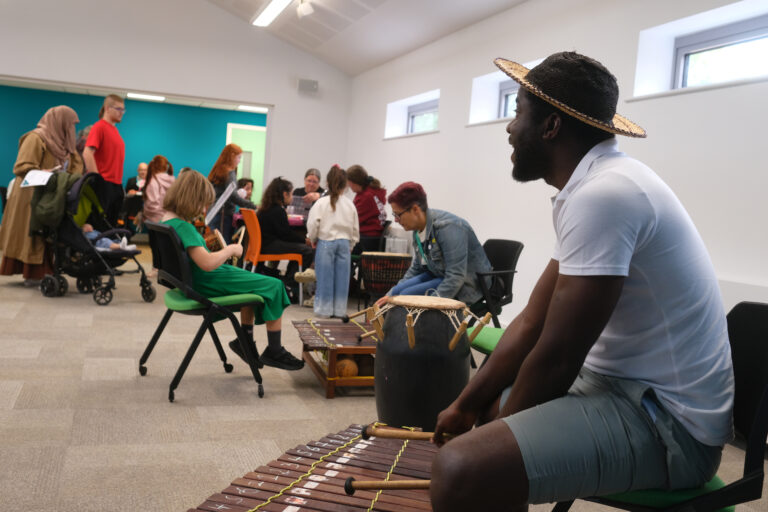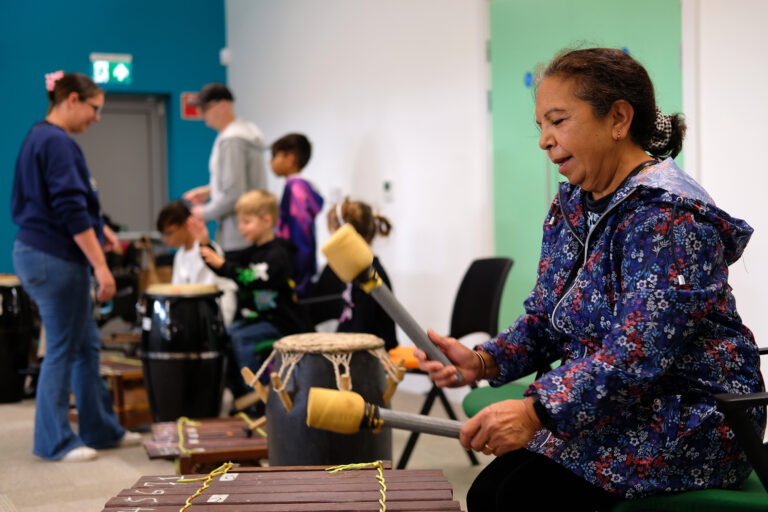
Music has always been more than just sound. Across cultures and generations, it has served as a powerful tool for communication, storytelling, and connection. Today, in a rapidly changing world, music continues to play a critical role in shaping young people and building stronger, more inclusive communities.
At Ujhasuma Africa Community, we believe that music is not just an art form — it is a pathway to growth, confidence, and belonging.
The Power of Music in Youth Development
Young people today face a range of challenges, from social pressures to limited opportunities for creative expression. Music offers a unique solution because it engages both the mind and emotions.
When a young person learns music, they are not just learning notes or rhythms. They are developing discipline, patience, and focus. They are learning how to listen, adapt, and collaborate. These are life skills that extend far beyond music itself.
For many young people, especially those who struggle with communication or confidence, music becomes a safe space. It allows them to express emotions they may not be able to put into words. It gives them a voice.
Building Confidence Through Creative Expression
One of the most immediate benefits of music is the boost in self-confidence. When a young person successfully plays an instrument, performs in front of others, or contributes to a group session, they experience a sense of achievement.
This confidence is not limited to music. It spills into other areas of life — school, relationships, and personal growth.
At Ujhasuma Africa Community, we have seen how even the quietest participants begin to open up through music. A simple rhythm session can transform hesitation into participation.
Music as a Tool for Connection
Music has the unique ability to bring people together, regardless of background, language, or experience. In group settings, young people learn to listen to one another, to synchronize, and to collaborate.
This shared experience builds trust and understanding.
In communities where diversity is present, music becomes a bridge. It allows individuals to explore different cultures and traditions in a meaningful and engaging way.
Strengthening Communities Through Music
When young people are engaged in positive, creative activities, entire communities benefit. Music programmes create spaces where people come together, not just to learn, but to connect.
Parents, educators, and community members all become part of the experience.
Events, performances, and workshops bring energy and life into communities. They create shared memories and strengthen relationships.
The Role of Cultural Exchange
One of the most powerful aspects of music is its ability to cross cultural boundaries. By combining different musical traditions, young people gain a deeper understanding of the world around them.
At Ujhasuma, we blend African musical traditions with Western instruments, creating a unique learning environment. This not only enhances creativity but also promotes respect and appreciation for different cultures.
Why Music Matters Now More Than Ever
In today’s digital world, many young people are disconnected from hands-on, creative experiences. Music offers a way to reconnect — with themselves and with others. It encourages presence, interaction, and real-world engagement.
Conclusion
Music is not just an activity. It is a powerful tool for transformation.
By empowering young people through music, we are not only shaping individuals — we are building stronger, more connected communities.
At Ujhasuma Africa Community, this is at the heart of everything we do.